
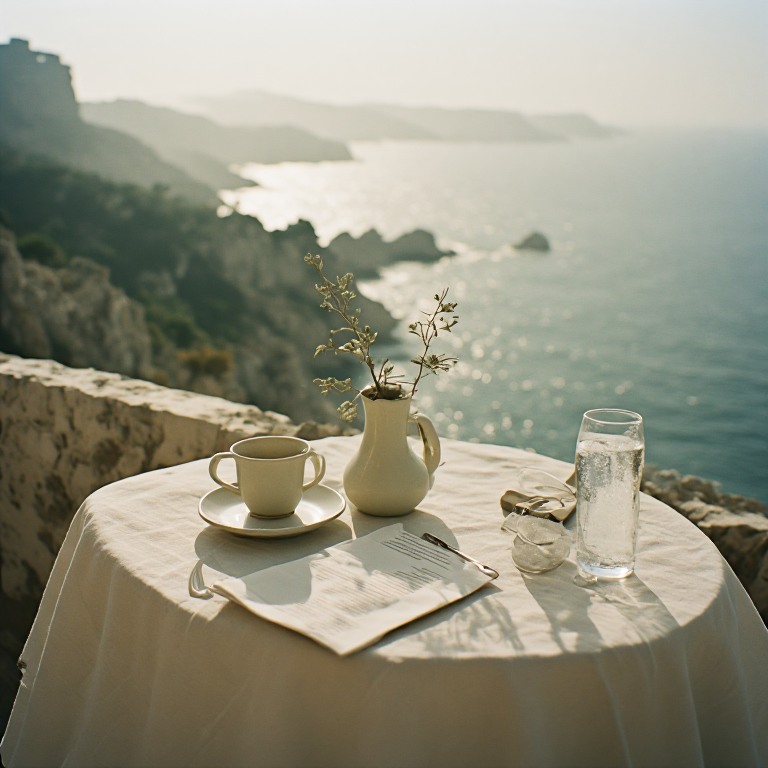
The hotel breakfast buffet was never really about the food. It showcased abundance. Chafing dishes stretched the length of the room, pastries were stacked like a structure, and fruit was arranged in circles by someone who came in at five in the morning to make sure your first impression of the day was one of plenty. The buffet communicated that everything was available, all at once, and it was all for you.
For a certain period, that was enough. It represented a form of luxury, where quantity was the primary sign of luxury. That era is ending. The hotels that are most worth noticing are the ones that ended it first.
The economics of the hotel buffet are well known. Breakfast service can account for about five percent of a hotel’s revenue, and even more when including staff costs. Food waste is a given; a buffet must look full, meaning it has to prepare much more than what will be consumed. The labor model is inefficient, and the profit margins are small. But the cost that is not counted in industry reports is the experiential cost.
A buffet focuses on choice and speed. It is designed to move guests through their morning with minimal hassle and maximum flow. This creates a specific type of experience: abundant but impersonal, efficient but forgettable. You serve yourself, sit where there’s space, and eat what’s available. The hotel is present in the room but absent during the meal.
This is not a minor loss. Breakfast is the meal that sets the tone for the day. The quality of attention that surrounds it – the pace, the level of conversation or silence, the order of dishes arriving, shapes what comes next in ways that dinner rarely does. A well-handled morning feels different. The buffet, for all its abundance, could not properly manage a morning; it could only fill one.
What the Best Hotels Understood
The shift currently happening at the high end of hospitality is not just about local sourcing, reduced food waste, or the show of à la carte cooking. Those are effects, not causes. The true cause is a change in what top hotels believe their guests actually want from a morning.
After years of reinvention, the most selective establishments are slowing down. They are becoming richer, quieter, and more honest about what they offer in a room. This applies to the décor, but it applies just as much to breakfast. A guest who chooses a hotel based on a thoughtful consideration of experience, not points, proximity, or price, does not want to wait in line for scrambled eggs beside strangers. He wants to sit down, be recognized, and receive something made just for him. This hospitality gesture is entirely different. It requires knowing who is in the room. It demands time, from the kitchen and the guest. The hotel must have determined in advance that the morning is important enough to slow down for it.
Not every hotel can make that choice. It needs a specific kind of staff, a specific kitchen philosophy, and a readiness to accept that breakfast may not be operationally easy. Hotels that manage it anyway convey something significant: their commitment to the guest extends beyond check-in and continues before checkout.
The Room That Remembers You
There is a unique experience that distinguishes a breakfast worth remembering from one that is just adequate. It starts before you sit down. The table is yours, not assigned by a hostess checking a floor plan, but understood to be your table because you were here yesterday and the day before. The person who greets you noticed. The coffee arrives without needing to be ordered, just like you had it before. The question, if one is asked, is not about eggs or toast but about how you slept, or whether you have time this morning. This shows that what happened previously has been remembered. Achieving this is not difficult; it only requires that the hotel views its guests as individuals rather than just occupants and organizes its breakfast service accordingly.
The buffet makes that impossible by design. When many guests flow through the same room, choosing from the same options, individuality gets lost. Everyone becomes a guest; no one becomes a person. À la carte breakfast, at its best, completely reverses that dynamic. It creates a morning experience that could only happen for you, at this hotel, on this day, served by someone who is paying attention.
Pace as the Hidden Ingredient
One element cannot be provided by any menu or kitchen: pace. The buffet sets its own rhythm, which is always a bit too fast. There is a logic to moving through it, an implied efficiency and an ambient pressure created by other guests doing the same. You eat at the speed of the room. A well-executed à la carte breakfast follows your pace. The first course arrives when you are ready. The second comes at a distance that assumes you haven’t finished thinking about whatever you were reflecting on when you sat down. Nothing feels rushed because rushing would mean that the hotel’s convenience has been allowed to take priority over your morning. Ultimately, this is about whose time is being served.
The best response a hotel can give, the one that justifies the cost and earns returns, is that your time matters. Completely, and without apology. The kitchen will wait for you, not the other way around. The morning belongs to you, and the hotel’s role is simply to make it worthwhile. That kind of service cannot come from behind a chafing dish.
A Note on What This Costs
None of this is cheap, for the hotel or the guest. This type of breakfast requires investment that doesn’t show up in the menu price: in staff trained to observe rather than just serve, in a kitchen that doesn’t benefit from the efficiency of a buffet, and in a management culture that values the morning.
For the guest, it also requires something rare: time. Not the time a buffet saves, but the time a good breakfast deserves. Twenty minutes is not enough. Eating while reading emails doesn’t work either. A morning treated at the pace it deserves is, for many serious travelers, something that must be relearned. Efficient travel habits have taught the opposite over the years.
However, that relearning is a form of luxury that no upgrade can provide. Choosing to sit still long enough for breakfast to be what it can be is about the quality of a morning. And the quality of a morning, multiplied across a lifetime of travel, is significant. In fact, it’s the only thing worth getting right.
