
For a long time, luxury was linked to visibility. Where people dined, what they wore, which destinations they chose, and how they shared those experiences all created a silent status language. Luxury was not just about what one had; it was also about being recognized for it. But, this dynamic is changing.
Among wealthy individuals around the globe, visibility no longer automatically equals value. In many cases, it is starting to compete with value. What is taking shape instead is a quieter model of luxury behavior, one that is defined less by being in the public eye and more by staying out of it.
From Expression to Exposure Fatigue
This shift is not about changing ideologies, but about changing how things operate. The same platforms that once boosted luxury discovery have also reduced its exclusivity. Places, restaurants, and experiences that used to have limited access are now permanently visible, searchable, and replicable. As a result, it’s harder to maintain distinction through mere exposure. For many wealthy individuals, this leads to a subtle but consistent outcome: exposure fatigue. The response is not stepping back from luxury but reassessing how it is consumed. Less signaling, more insulation. Fewer public moments, more controlled settings.
The Quiet Withdrawal from Performative Spaces
Public luxury spaces still exist, but their role is changing. Restaurants, beach clubs, fashion-forward destinations, and well-known hotels increasingly serve as stages, but fewer seasoned participants feel the need to perform there. Instead, attention is shifting toward settings where recognition is inherent rather than broadcasted. Private clubs, villa-based hospitality, yacht communities, and curated residential areas are taking on functions that were once public. The result is not the end of luxury visibility, but its division. A visible layer still remains. However, a more significant ecosystem functions with little exposure beneath it.
When Privacy Becomes Infrastructure
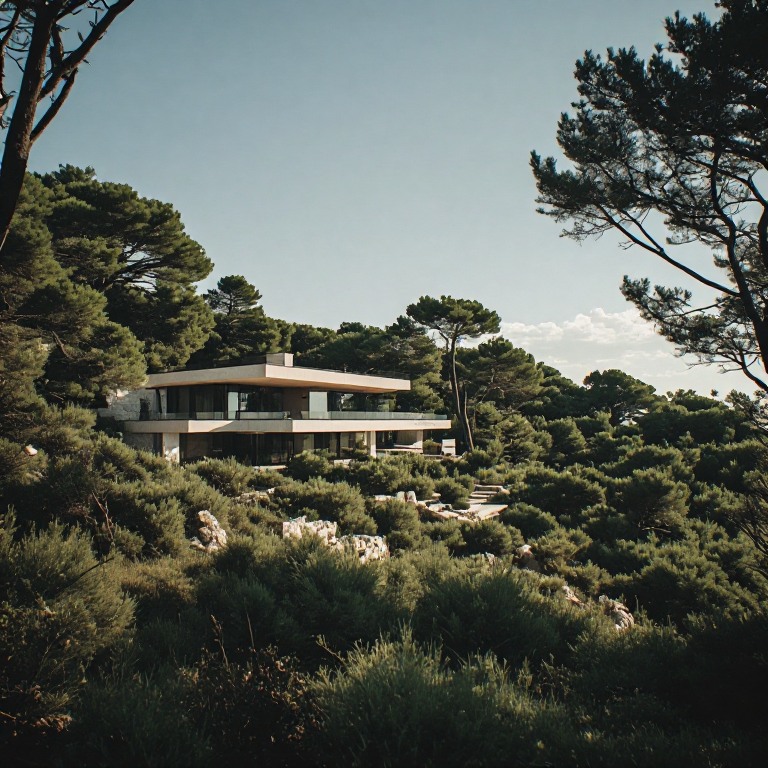
By 2026, privacy is no longer just a personal choice. It is becoming a structural necessity. This is most evident in how high-end spaces are designed and chosen. Discretion is no longer an added service. It is becoming a foundational requirement for joining certain social and financial circles. In practical terms, this means environments are increasingly judged by what is not visible:
– controlled access rather than open entry
– limited circulation instead of constant foot traffic
– predictable social ecosystems rather than open networking
– operational silence instead of curated noise
Luxury, in this context, is shifting from expression to filtration.
The Shift in Social Capital
Historically, social capital in luxury spaces was built through closeness to visibility. Being seen in the right places created value. That situation is weakening. A more selective model is now forming, where social capital is generated from access to environments that are not widely seen. Membership replaces attendance, continuity replaces appearance, recognition replaces performance. The most valued environments are often the least documented.
In regions like the Adriatic, this shift creates a unique tension. The coastline has long been linked to visible summer luxury, characterized by yachts in marinas, destination restaurants, and seasonal peaks of high-end activities. However, beneath that visible layer, a parallel structure is developing. Private villas, discreet hospitality services, long-stay arrangements, and yacht-based mobility increasingly operate outside of traditional visibility patterns. For operators and property owners, this leads to a divide in value creation. Those who rely on visibility may keep benefiting from seasonal interest. Those who can support lower-visibility, longer-term stays may gradually gain a different kind of relevance.
A New Definition of Luxury Presence
What is emerging is not the end of luxury presence, but a shift in the need for it to be public. Luxury is not becoming less social. It is becoming more selectively social. The environments that will define the next phase aren’t necessarily those that draw the most attention, but those that can maintain coherence without it. In that sense, public luxury is not disappearing. It is being redefined. And what takes its place is not silence, but control over who gets to hear it.
