
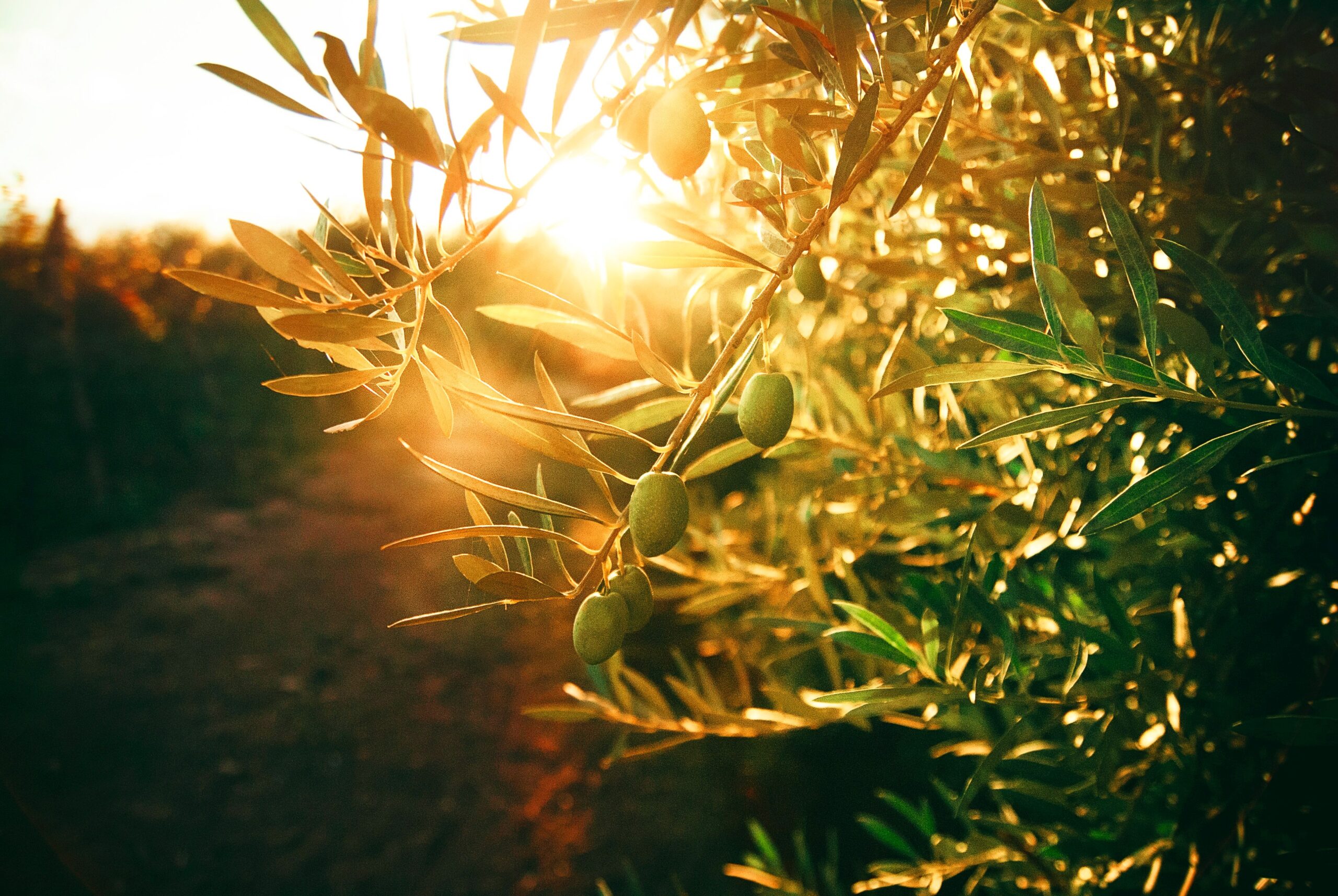
For centuries, olive oil has been one of the defining products of Mediterranean life. It has shaped agricultural landscapes, supported family economies, influenced regional cuisines and passed from one generation to the next as both a practical necessity and a cultural inheritance.
Yet for most travellers, it has traditionally remained something encountered at the table: poured over freshly baked bread, served alongside local dishes or taken home as a souvenir. That relationship is beginning to change.
Oleotourism – travel experiences centred on olive cultivation, olive oil production and its cultural heritage – is creating a new connection between visitors and the places they explore. Rather than simply tasting a regional product, travellers are invited into the landscapes, traditions and family stories behind it. It is an experience that combines gastronomy, agriculture, education and hospitality, offering something increasingly sought after in contemporary travel: a closer understanding of local life.
Beyond the tasting room
A well-designed olive oil experience begins long before the tasting itself. It might involve walking through an ancient olive grove, learning how different varieties respond to soil and climate, visiting a traditional stone mill or watching freshly harvested olives being transformed into extra virgin olive oil. The experience can continue around a table, with regional cheeses, bread, seasonal vegetables, seafood and wine.
There is also an educational dimension. Understanding the difference between extra virgin olive oil and lower-quality products, recognising fruitiness, bitterness and pungency, and learning how harvesting and processing influence flavour can fundamentally change how people appreciate an ingredient they may have used every day. For producers, opening their estates to visitors creates an opportunity to communicate the value behind the bottle. For travellers, it offers an introduction to a destination through one of its most enduring cultural expressions. This is particularly relevant to the growing interest in slow travel. Rather than moving between attractions, visitors spend time in one place, meet the people who maintain its traditions and discover the relationship between food and landscape.
Croatia: An olive-growing culture worth discovering
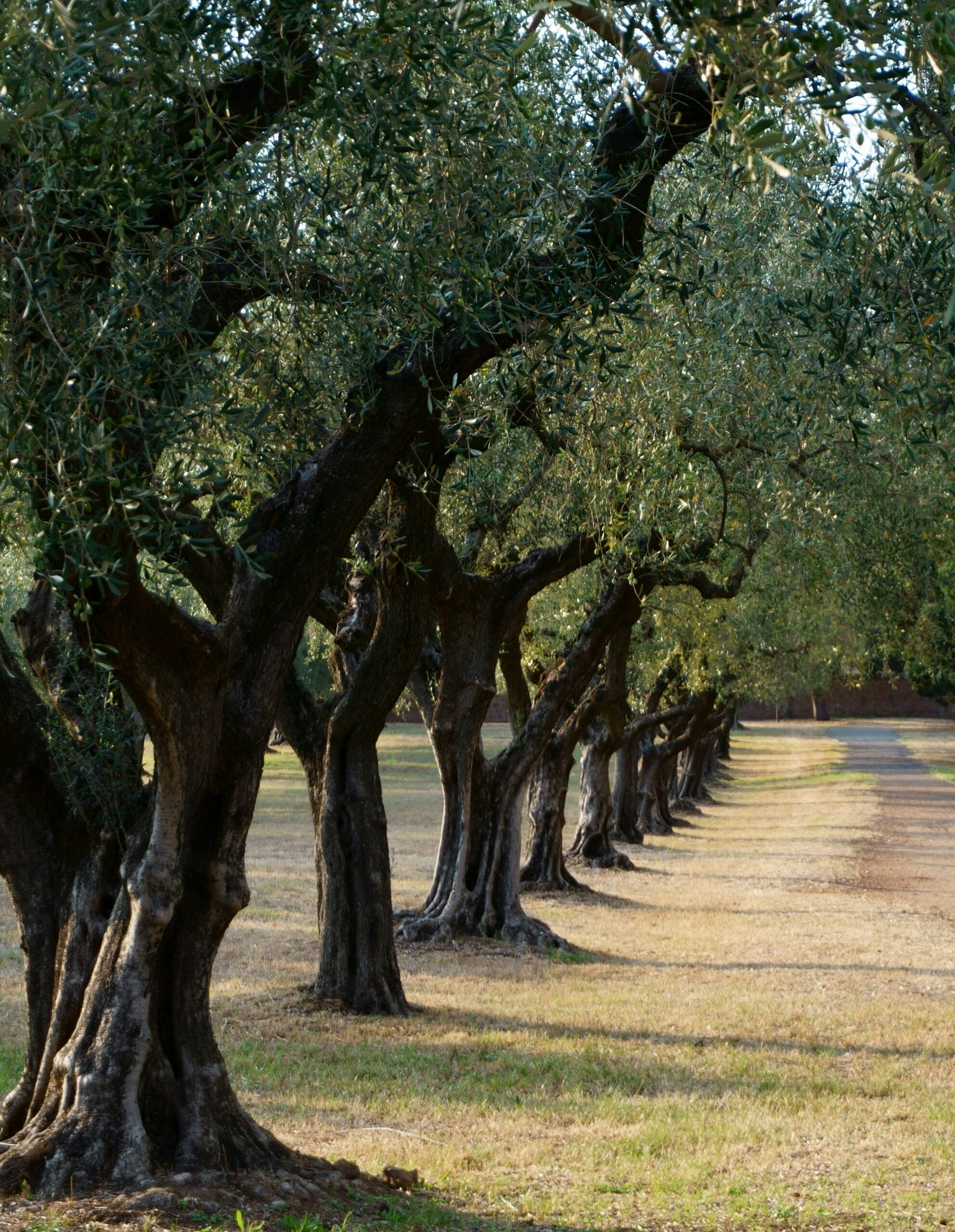
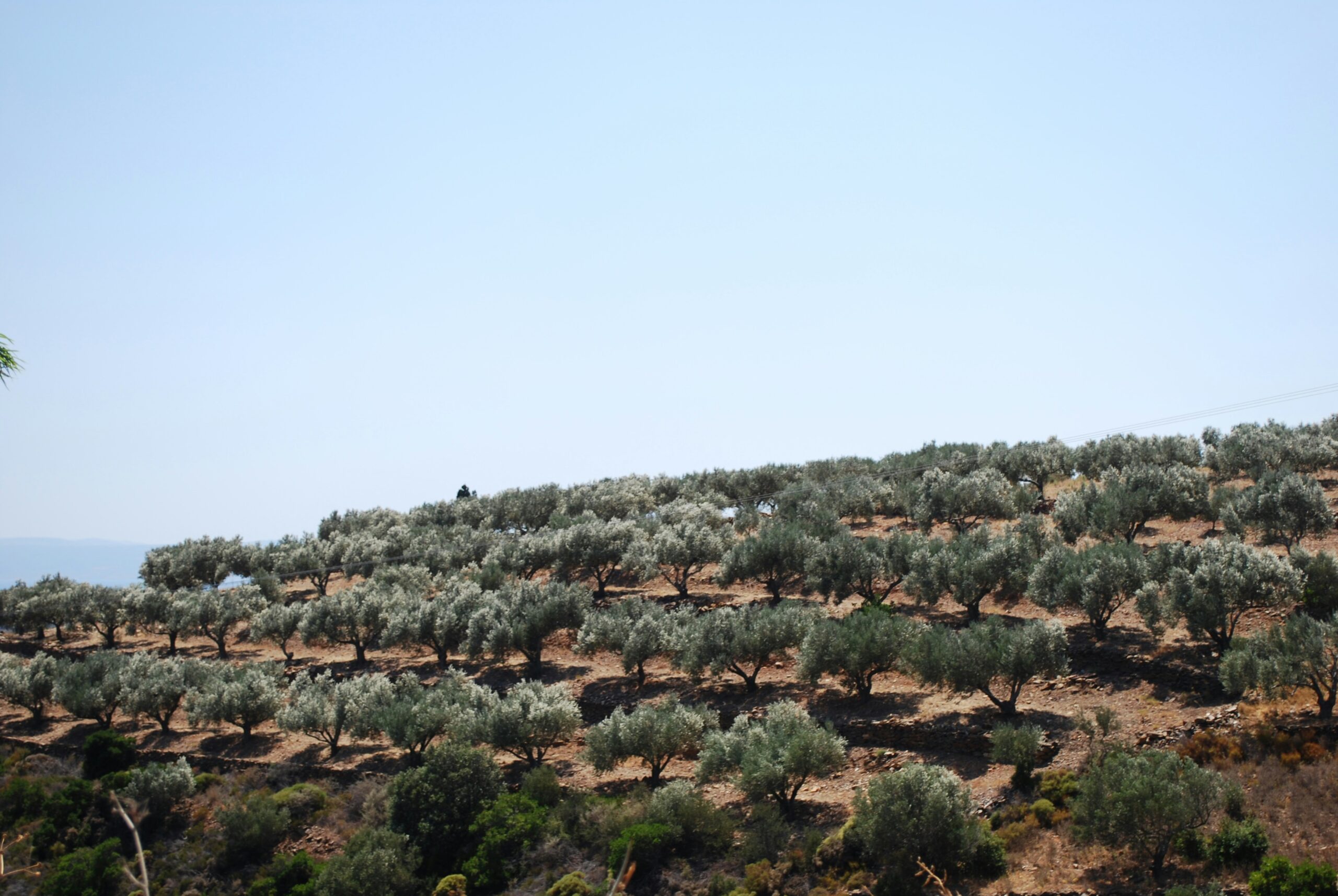
Croatia has a particularly compelling story to tell. From the olive-covered hills of Istria to the stone terraces of Dalmatian islands, olive cultivation is woven into the country’s Mediterranean identity. The tradition is visible not only in the landscape but also in the architecture of old mills, family estates and the customs surrounding the annual harvest.
Istria has become internationally recognised for its extra virgin olive oils, with producers combining traditional knowledge and contemporary production methods. Around Vodnjan, the family-run Brist estate offers guided walks through olive groves, sensory education and tastings paired with local food. Its approach illustrates how an agricultural property can evolve into a year-round visitor experience without losing its connection to the land.
Further north, the Ipša estate near Livade has developed a tasting experience within a restored traditional Istrian building, bringing together olive oil, wine and local gastronomy. In Vodnjan, Chiavalon combines a modern production facility with guided tastings and an introduction to the philosophy behind its oils.
On the island of Brač, olive groves form an essential part of the landscape. The island’s Olive Routes introduce visitors to local varieties, traditional cultivation and the history of oil production, with opportunities to meet producers and visit the Olive Growing Museum in Mirca.
On Krk, the seasonal Olive Touch programme connects the harvest with traditional processing, tastings and local hospitality. In Dalmatia, the Stella Croatica estate near Klis offers another interpretation, combining an olive museum, botanical garden, traditional architecture and culinary experiences.
These are not interchangeable experiences. Each reflects a different landscape, agricultural history and regional identity. That diversity is precisely what makes Croatia interesting as an oleotourism destination.
The olive harvest is perhaps the most direct way to understand the relationship between the Mediterranean and its olive trees. Usually taking place during autumn and early winter, depending on the region, variety and maturity of the fruit, it remains an important seasonal moment for many Croatian families and producers.
Visitors who join the harvest can experience the work behind a product that is often presented as effortless abundance. They learn how olives are picked, sorted and transported to the mill, and how timing and processing influence the resulting oil. The experience is also social. Harvesting has traditionally brought families, neighbours and communities together, often followed by meals and celebrations. For visitors, participating in even part of this process provides a perspective that a conventional tasting cannot offer.
It also creates a compelling reason to visit the Mediterranean outside its busiest summer months. Autumn brings a different atmosphere to coastal towns and islands: quieter roads, changing colours, active farms and a closer connection with the rhythm of local communities.
A new expression of Mediterranean hospitality
Oleotourism has potential beyond the agricultural sector. It can connect small producers with boutique hotels, restaurants, local guides and regional tourism organisations, creating experiences that benefit more than one business. A stay at a countryside property might include a private grove visit, a guided tasting and a dinner built around seasonal ingredients. A coastal itinerary could combine an olive estate with local wineries, historic villages and a traditional mill. For more discerning travellers, the appeal lies in the quality of access and the opportunity to meet the people behind the product.
There is an important distinction between selling a tasting and creating a genuine experience. The latter requires knowledge, hospitality and a clear sense of place. It should leave visitors with an understanding of why an oil tastes the way it does, who produces it and what makes its origins distinctive.
Croatia has the agricultural heritage, regional variety and established gastronomic identity to develop this proposition further. Its challenge is to make these experiences easier to discover, more consistently accessible and better connected to the wider luxury travel offer.
The Mediterranean has long invited travellers to experience its food. Oleotourism takes that invitation one step further, bringing them closer to the land and the people who produce it. Because sometimes the most revealing way to discover a destination is not through its most famous landmark, but through something that has been growing there for centuries.
Photos: unsplash.com/Flor Saurina/Kevin Martin Jose/Kostas Morfiris
