
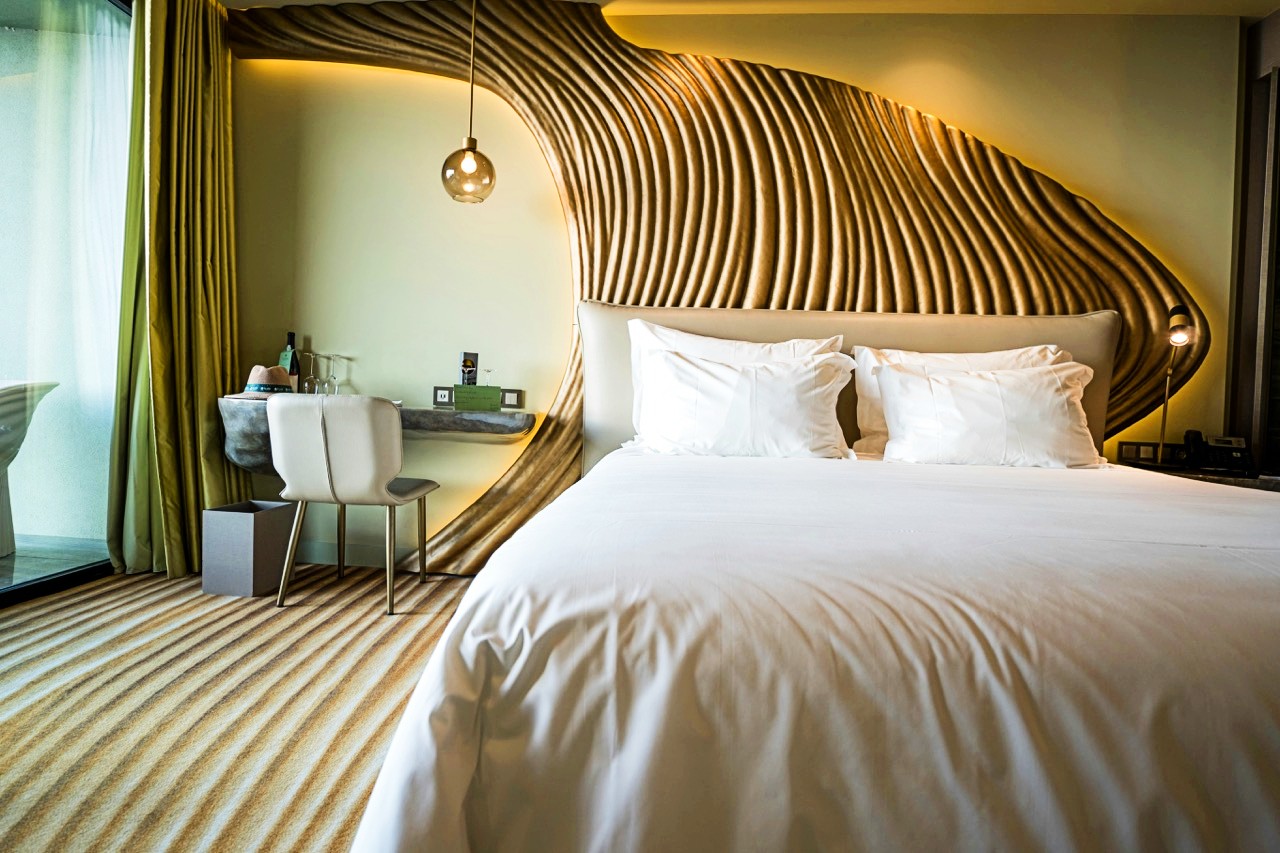
There is a particular moment in a great hotel stay when the rest of the world becomes irrelevant. The curtains are drawn, the room is quiet, the sheets feel cool against the skin, and the prospect of tomorrow’s plans seems considerably less urgent than another hour beneath the duvet.
It is not a moment that photographs particularly well. There is no dramatic architecture to admire, no elaborate tasting menu to document, no spectacular view to share. Yet it may be one of the most persuasive reasons to return to a hotel. Sleep is an unusually intimate form of luxury. It cannot be admired from a distance, and it becomes difficult to appreciate when something is wrong. A beautiful room can impress immediately; a truly exceptional bed reveals itself more quietly, over the course of a night.
That is why the finest hospitality has always depended on details guests may never consciously notice: the weight of the duvet, the breathability of the sheets, the support of the pillow, the way a bed retains its comfort through the night. These are not merely housekeeping decisions. They are part of the hotel’s understanding of how people want to feel. And behind that experience sits a world of specialist craftsmanship that rarely receives the attention given to chefs, architects or interior designers.
The most intimate room in the hotel
Luxury hospitality has become remarkably sophisticated at designing spaces that make an impression. Restaurants have open kitchens, lobbies resemble private galleries, bathrooms feature sculptural stone and bespoke fittings, and suites are conceived as miniature residences. The bed, however, operates by different rules. Its purpose is not to impress the visitor standing in the doorway. It is to make the person lying in it forget about everything else.
This distinction helps explain why bedding deserves a place in the conversation about hotel design. A mattress may provide the foundation, but the sheets, duvet, pillows and their relationship to the room determine much of the immediate sensory experience. Texture, temperature, weight and support all contribute to the impression of comfort.
There is no universal formula. Some people prefer the crisp, dry hand of cotton percale; others favour the smoother, more fluid feel of sateen. A generous duvet can feel enveloping in a cool Alpine suite, while a lighter construction may be more appropriate for a warm Mediterranean night. The best hotels understand that comfort is not simply a matter of choosing the most expensive materials. It is about getting the combination right.
Frette: the language of Italian linen
Few names are as closely associated with luxury hotel bedding as Frette. Founded in 1860, the Italian company has spent more than a century and a half developing linens for prestigious hotels and private residences. Its heritage includes collaborations with some of the world’s best-known hospitality addresses, while its collections span bed, bath and table textiles.
Frette’s appeal lies partly in its ability to make refinement feel familiar. The white sheet with a carefully placed border, the understated embroidery, the precise finish of a pillowcase: these details rarely demand attention, yet they help establish a visual and tactile language associated with classic hotel luxury. The aesthetic is particularly effective because it does not rely on decoration alone. A restrained bedscape can communicate quality through proportion, fabric and finish rather than colour or ornament.
There is also a certain pleasure in bringing that hotel sensibility home. A well-made bed does not need to resemble a suite at a grand European hotel, but it can borrow the same discipline: a considered palette, beautifully finished linen and an absence of unnecessary visual noise. Frette’s history demonstrates how a practical textile can become part of a wider design tradition — one that moves between hospitality, interiors and private life.
Matouk: when the bed becomes part of the interior
If Frette evokes the established language of Italian hotel elegance, Matouk offers another perspective on the relationship between linens and design. The American luxury linen brand works across bedding, bath textiles and home accessories, with a strong emphasis on detail, finish and the way fabrics sit within a room. Its dedicated hotel collection extends that approach into hospitality, including customised products developed for individual properties. This is important because the bed is never entirely separate from the interior around it.
A room with natural timber, pale stone and muted colours may call for one kind of linen. A more traditional suite might benefit from a contrasting border or a more decorative finish. In a coastal property, the ideal effect may be light and relaxed rather than formal. The difference between a bed that looks expensive and one that looks considered often lies in these relationships.
Matouk’s design-led approach also reflects a wider shift in how people think about their homes. The bedroom is increasingly treated as a personal retreat rather than simply a place to sleep. Textiles become part of its atmosphere, much as lighting, scent and acoustics shape the experience of a hotel room. The result need not be elaborate. Sometimes the most successful bedroom is the one in which every element feels as though it belongs.
Mühldorfer: the science behind the softness
Sheets provide the first impression, but the experience of a bed is also determined by what lies beneath them. This is where Mühldorfer enters the picture. The German family-owned company, established in 1919, specialises in pillows, duvets and other components of the sleep environment, supplying luxury hospitality as well as private customers. Its work highlights a less visible side of hotel comfort: the engineering behind softness.
A pillow has to do more than feel inviting when a guest first touches it. It needs to provide appropriate support, maintain its shape and suit different sleeping preferences. A duvet must balance warmth, weight and breathability with the practical requirements of professional hospitality. Down, feather and alternative fillings each offer different characteristics. The right choice depends on factors including the construction of the product, its intended use, the climate and the guest’s preferences. No single filling or firmness is ideal for everyone.
For hotels, consistency adds another layer of complexity. Bedding must deliver a reliable experience while withstanding frequent laundering and repeated use. A product that feels wonderful on its first night but loses its performance quickly is not a luxury solution. Mühldorfer’s specialisation illustrates why the finest sleep environments depend on expertise guests may never see. The feeling of effortless comfort is often the result of very deliberate decisions.
The luxury of not thinking about it
There is a paradox at the centre of excellent hotel bedding. The more successful it is, the less likely a guest may be to analyse it. Nobody wants to spend a holiday thinking about the construction of a duvet or the weave of a pillowcase. They want to fall asleep comfortably, wake without having spent half the night adjusting their pillows, and begin the day feeling that the room has served its purpose. This is what separates a specification from an experience.
Thread count, fibre quality and material descriptions can be useful points of reference, but none offers a complete measure of comfort. The quality of the cotton matters, as do the yarn, weave, finishing and construction. Beyond the fabric itself, the mattress, pillow, duvet, room temperature and individual preferences all play a role.
The idea that one impressive number can explain the quality of a bed is therefore misleading. Luxury is rarely achieved by optimising a single feature in isolation. The same principle applies to the hotel itself. Beautiful linens cannot compensate for poor sleep caused by noise, uncomfortable room temperatures or badly designed lighting. The bed is part of a wider system in which every detail must work together. The best properties understand this relationship. Their investment in sleep is not an isolated gesture, but an extension of their approach to hospitality.
Bringing the hotel experience home
The desire to recreate a great hotel bed is hardly surprising. Travel temporarily removes us from our familiar surroundings, and a particularly comfortable room can make an unfamiliar place feel unexpectedly personal. Returning home, people often discover that the memory is not only about the destination. It is also about the small rituals that made the stay feel different: the heavy curtains, the turn-down service, the cool sheets at bedtime, the breakfast enjoyed without watching the clock.
Bedding is one of the few elements of that experience that can be translated directly into everyday life. It does not require a marble bathroom or a panoramic view. It requires choosing materials suited to the way you sleep, investing in quality where it matters and paying attention to the condition of the things used every night.
A well-made bed can also change the character of a bedroom without changing its architecture. Fresh linen, a restrained colour palette, pillows selected for comfort rather than display, and a duvet appropriate to the season can create a more considered atmosphere than an expensive decorative object ever could. The goal is not to reproduce a hotel suite exactly. It is to understand what made it comfortable in the first place.
A quieter definition of luxury
The luxury industry often favours objects that can be recognised, collected and displayed. Exceptional bedding belongs to a different category. Its value is largely private, and its greatest benefit arrives when the day is over and there is nothing left to prove. Frette, Matouk and Mühldorfer approach this world from different directions: textile heritage, design and the technical demands of sleep. Together, they illustrate how much craft can sit behind an experience that appears entirely effortless. For hotels, that experience is part of the promise made to the guest. For the individual, it becomes part of a more personal understanding of living well.
Perhaps that is why a great bed can feel more memorable than another spectacular lobby. It offers no performance and asks for no audience. It simply makes the end of the day better. And in a world increasingly designed to compete for our attention, there is something quietly luxurious about a product whose purpose is to help us switch it off.
Photo: Unsplash.com/Antonio Araujo
