
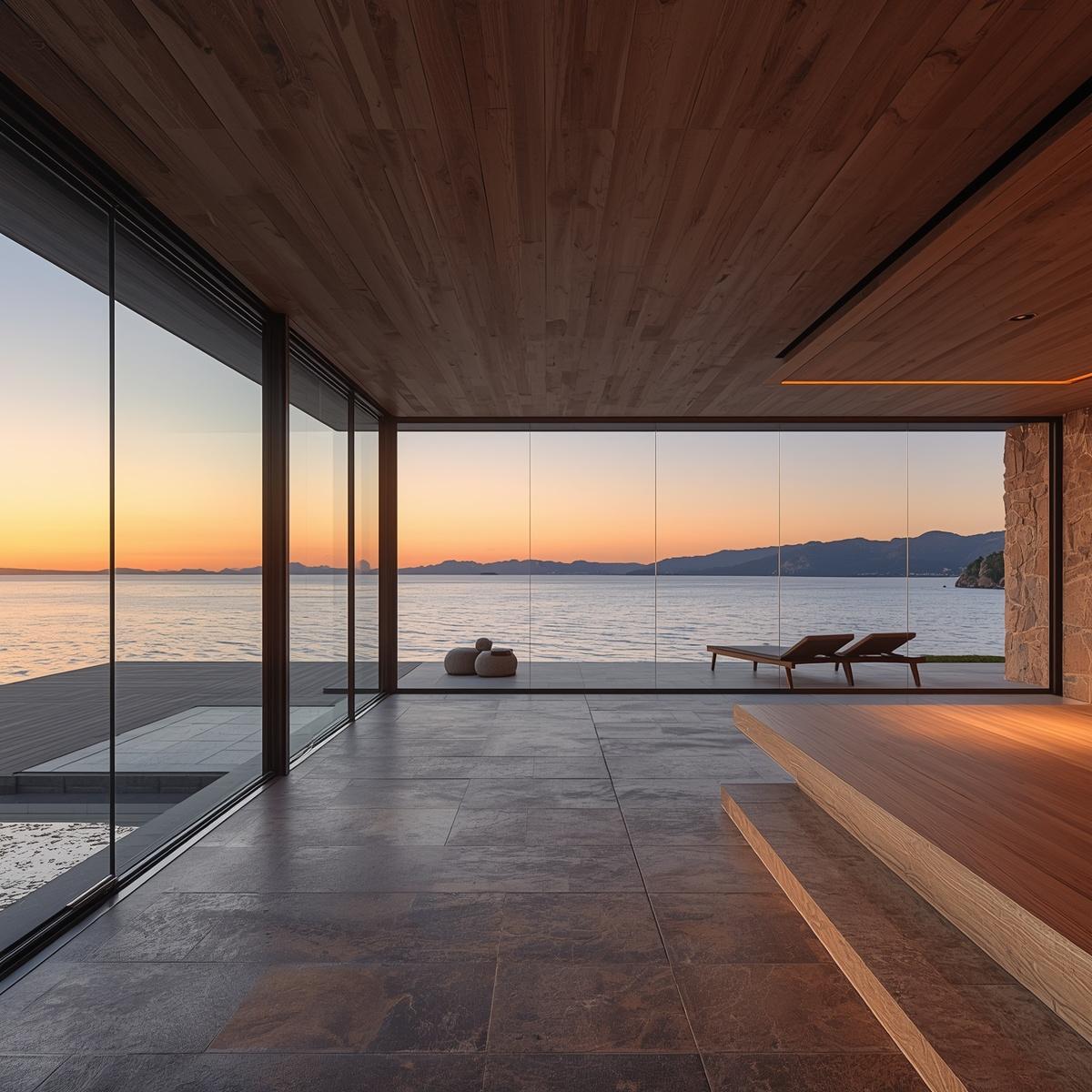
Luxury residences have traditionally shown wealth through their size, materials, architecture, and location. In 2026, this trend is shifting. The most valuable homes are now defined not by what they display, but by what they control.
For families that travel frequently, private villas function as biological sanctuaries as well as lifestyle investments. Travel schedules often cross time zones, and work rhythms are global. Health, privacy, and reliability have become central to how luxury properties are assessed. Consequently, the modern “smart home” has evolved from a network of connected devices into an unseen operating system, one designed to protect occupants rather than impress visitors. Along the Adriatic, this change is shaping the next generation of upscale homes.
For much of the past decade, residential technology focused on convenience, such as lighting, integrated audio systems, and voice controls. While these features still exist, they are no longer the main benchmarks. What matters more now is environmental intelligence.
Architects and developers working in the high-end Adriatic property market are starting to include systems that control circadian rhythm, air quality, electromagnetic exposure, and water purity. The goal is less about comfort and more about physiological stability, especially for owners who travel between continents.
Circadian lighting systems mimic the natural progression of daylight in homes. Instead of static lighting, it adjusts gradually in tone and intensity to support melatonin production and reduce fatigue from long-distance travel. Bedrooms are increasingly designed to block electromagnetic interference, ensuring sleep environments remain insulated from the surrounding digital world.
Air and water filtration systems work continuously, removing pathogens and microplastics while monitoring environmental quality in real time. In the most advanced homes, these metrics are visible to occupants, helping them understand the internal ecology of their living space like a yacht owner monitors navigation systems. The effect is subtle but steady: a house that actively stabilizes the body.
Alongside technology, a new layer of certification is shaping how elite properties are evaluated. Health-focused frameworks like the WELL Building Standard serve as important benchmarks for residences designed around occupant well-being. At the same time, energy autonomy is becoming a standard expectation rather than just a sustainability effort.
The rise of LEED Zero reflects a growing focus on self-sufficient energy systems, homes that produce as much energy as they use. For owners of remote coastal estates and island villas, this independence offers both resilience and environmental credibility.
Digital infrastructure is also becoming part of the certification process. WiredScore, initially developed for commercial buildings, now assesses the resilience and security of residential connectivity, an increasingly important concern for globally active individuals who need uninterrupted digital access.
Meanwhile, frameworks like Fitwel evaluate how spatial design supports health, productivity, and mental clarity. Together, these standards are creating a new form of architectural evaluation. For ultra-high-net-worth buyers, the presence, or absence, of these credentials can affect long-term asset value just as much as location.
Beyond environmental stability, the next layer of innovation is personalization. Modern luxury residences increasingly recognize their occupants through biometric systems instead of physical keys. Facial recognition or palm scanning can trigger personalized settings upon arrival, including temperature, lighting, music, and even scent tailored to individual preferences.
Beneath these features, a more complex infrastructure is emerging.
Local private artificial intelligence systems, rather than cloud services, are beginning to act as operational concierges. By learning habits over time, these systems can anticipate household needs, coordinate services, and maintain security without sharing personal data outside the property.
Another important development is “digital twin” property management. Owners can now access a real-time three-dimensional model of their residence through secure interfaces, enabling remote monitoring of systems, predictive maintenance, and environmental performance. In practical terms, the house communicates its operational status before issues arise. For families who may spend months away from home, such systems turn the residence into a self-regulating asset.
In the Adriatic luxury market, this technological layer is still developing. The region’s traditional strengths, coastal geography, architectural history, and maritime culture, remain central to its appeal. Yet the expectations of globally mobile owners are changing rapidly.
New villas along selected parts of the Croatian coast and Montenegro increasingly incorporate wellness architecture, energy autonomy, and digital infrastructure as essential features rather than optional add-ons. In this way, the Adriatic is at a moment of adjustment.
Properties lacking these features risk becoming technologically outdated within a decade. In contrast, those that incorporate them position themselves within a future-oriented category of residence, one that meets the priorities of international investors. Not every owner wants this degree of technological integration. Many still value simplicity: a historic stone house, open windows, and closeness to the sea.
However, for a certain type of resident, one who frequently travels, values health, and engages digitally, the invisible intelligence of a property has become a key factor. The house is no longer just a retreat. It is an infrastructure that supports longevity, privacy, and consistent operation.
The most sophisticated residences on the Adriatic are starting to reflect this understanding. They do not present technology as a showpiece. Instead, the systems blend into the architecture, creating a quieter outcome: a home that understands its occupants, protects their environment, and operates with nearly invisible precision.
In the next decade, this invisible architecture may become one of the defining features of the region’s most valuable properties.
