
Luxury regions are not simply found; they are created. This happens not through marketing campaigns or fleeting trends, but over decades or even centuries, through thoughtful decisions. Access improves, but it is always selective. Architecture is constructed and then thoughtfully managed. Investment comes, but it remains low-profile. Gradually, a place develops not just infrastructure but also memory. Ultimately, this memory, more than the scenery, sustains value.
In Europe, some areas clearly show this development. Saint Moritz became a winter capital not just due to snow, but because early visitors made winter a social season. The Côte d’Azur developed through private villas and artistic support, as well as its coastline. Tuscany grew through preservation and long-term foreign ownership, rather than rapid expansion in hospitality. Gstaad prioritized managing density over growth, preserving its discretion as a key asset.
The pattern is similar across regions. Luxury destinations emerge when five elements come together: a coherent landscape, controlled access, early cultural or aristocratic support, disciplined real estate, and social influence from peers. They function as ecosystems before becoming popular spots.
The Adriatic is now in an interesting position within this process. It is not an emerging coastline like others. Its cities are centuries older than modern tourism. Its sea routes once shaped empires. Its architecture reflects a history of different rulers. Yet as an established luxury region, it is still in the early stages of redefinition.
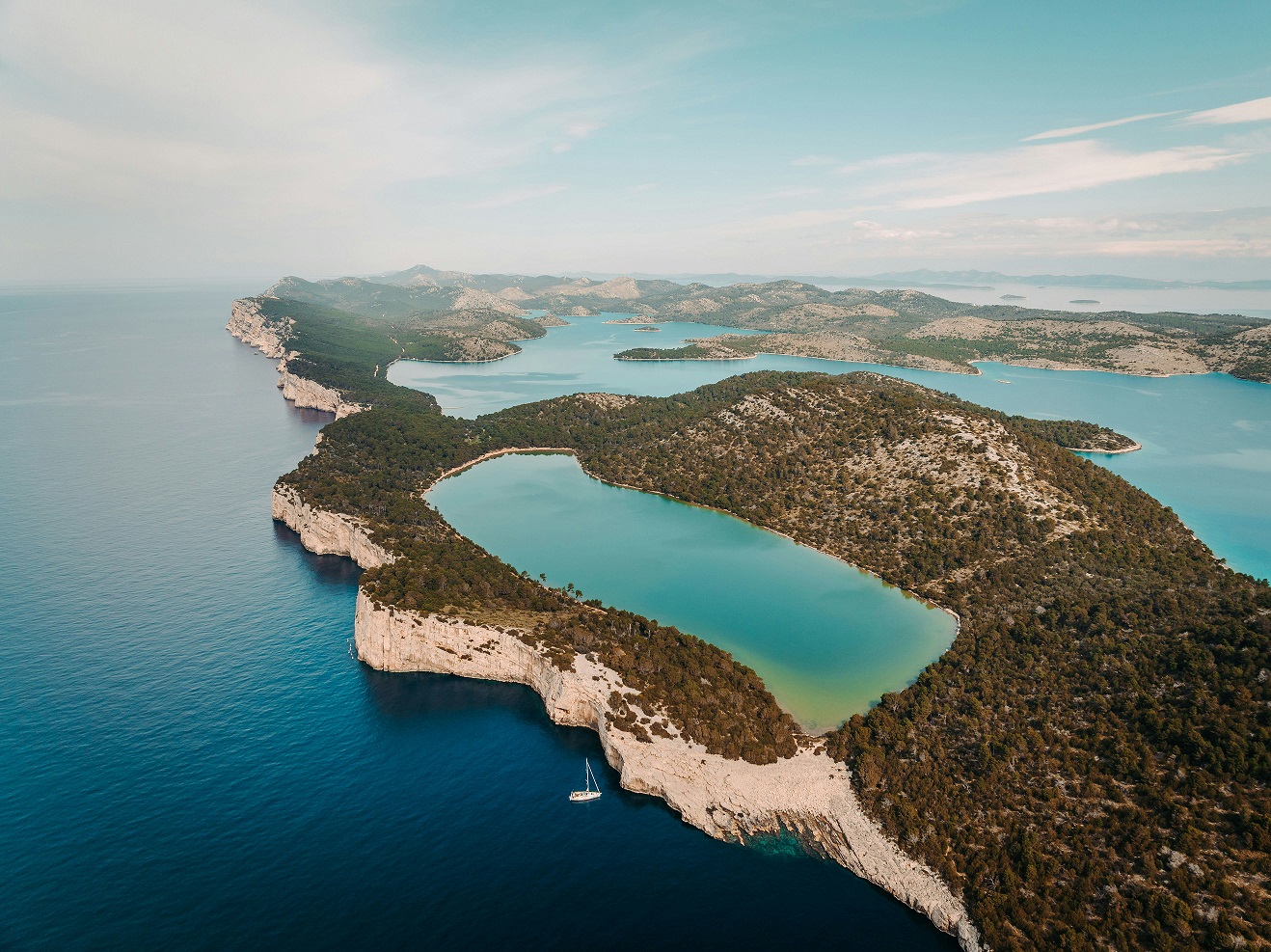
What we see is a sense of coherence. The Adriatic’s natural features, such as its limestone islands, sheltered bays, fortified towns, and farming areas, create a smooth connection between land and sea. The setting feels personal, the light is bright, the coastline remains mostly unchanged. What still needs to develop is discipline.
Unlike established areas where families have owned properties for generations, parts of the Adriatic are still figuring out how to balance growth and preservation. Some areas show an eye for architecture, while others push density limits. Certain islands serve as seasonal hotspots, while others maintain a year-round community vibe. This distinction is important. Luxury increasingly relies on consistency rather than just spectacle.
There are also benefits to the Adriatic’s structure. Compared to well-known Western European destinations, entry barriers, especially for prime real estate, are still modest. Air travel connections keep improving without becoming overwhelming. Marina facilities have evolved in key areas, while inland regions like Istria show how agricultural history can turn into lasting residential value instead of just brief tourism.
However, the key factor may not be infrastructure, but how people engage with it.
Regions become established when investment goes beyond just one season. When families return year after year. When properties are kept, not quickly sold. When education, healthcare, and governance support stability rather than change. The Adriatic has started to attract this kind of involvement, though not yet to the extent seen in its Alpine or Mediterranean neighbors.
This transitional phase brings both risks and opportunities. If development speeds up without thoughtful design, the coastline could break into seasonal clusters. If growth is managed through careful planning, preservation of public spaces, and prioritizing privacy over sheer numbers, the Adriatic could evolve in a way different from the models it is often compared to. It does not need to copy the Riviera to be successful. In fact, its strength might come from being a collection of smaller areas rather than one large center. It could be a network of tiny enclaves across Croatia’s islands, marina-focused areas in Montenegro, Slovenia’s boutique coastline, and the rural parts of Istria. Smaller, more deliberate, and interconnected. Not faceless.
For the seasoned traveler or investor, the question isn’t whether the Adriatic is the next big thing. It’s whether this moment, before full consolidation, allows for strategic opportunities within a region still figuring out its long-term balance.
Some may prefer to find instant gratification in already established social hubs. Others will see that lasting luxury rarely appears all at once. It is built carefully, with as much restraint as ambition. The Adriatic stands at this important point – not a completed story, but a space intentionally developing.
Photo: unsplash.com
