
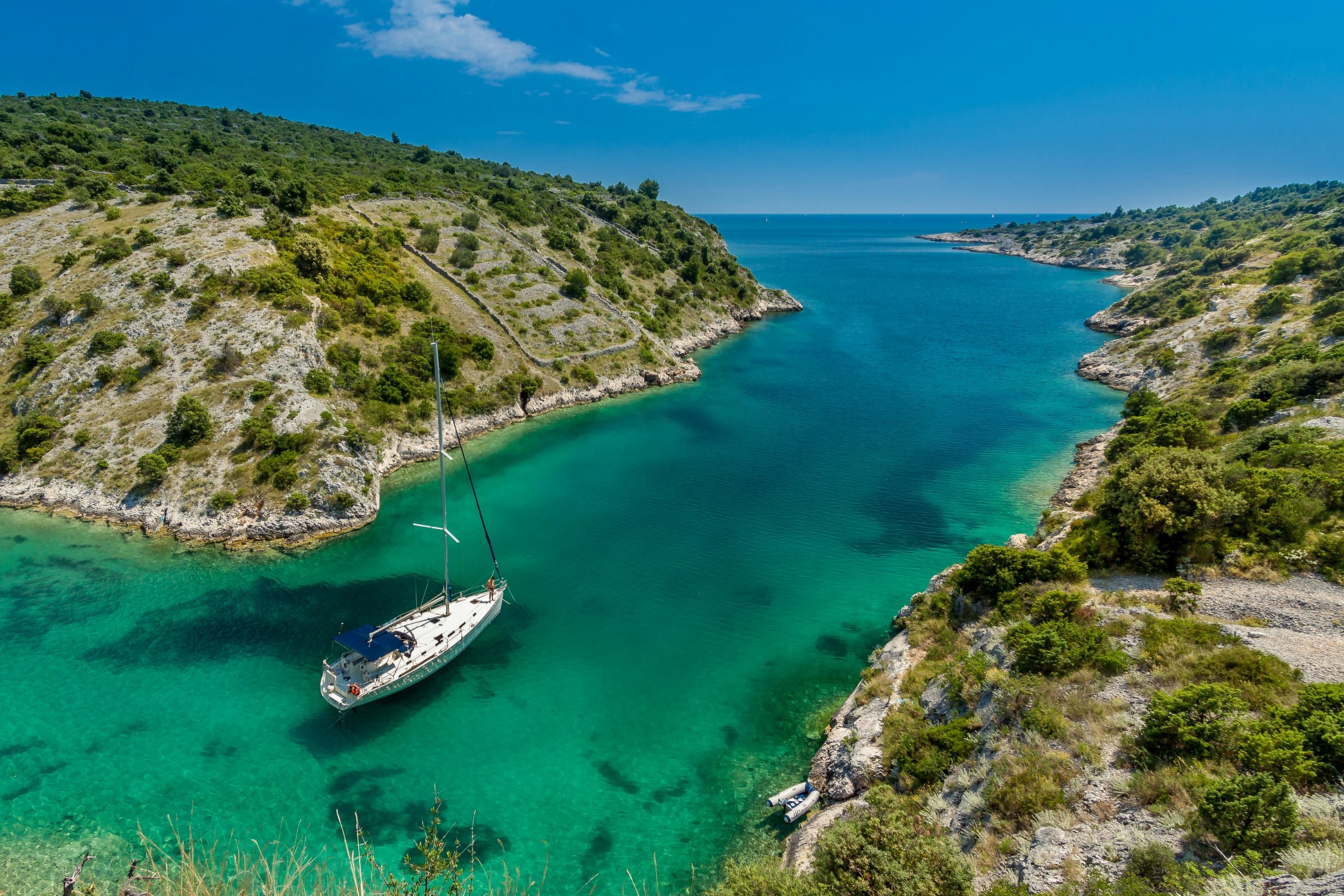
Ultra-high-net-worth individuals have changed how they approach travel and second homes. Their focus has shifted away from novelty or size; instead, they seek places that offer privacy, continuity, and a sense of control. The Adriatic, once seen mainly as a seasonal or tourist destination, is now being viewed in a more thoughtful way.
This change is not fueled by marketing or sudden trends. It stems from actual behavior. Owners who split their time between cities like London, Paris, New York, or Milan are looking for a complementary location that provides privacy, safety, ease of operation, and cultural richness without the hassle of being overly exposed. The Adriatic meets these needs increasingly well.
A Region Defined by Restraint
Today, the Adriatic stands out not for what it adds, but for what it avoids. There are no notable global developments, no striking skyline changes, and no pressure to compete with famous Mediterranean destinations. Instead, the region has grown through continuity, historic towns, protected coastlines, low-density islands, and a service culture focused on discretion.
For UHNW individuals accustomed to careful luxury, this is important. The Adriatic has a slower pace that isn’t provincial, refined without being showy. Its charm lies in the balance between land and sea, tradition and modernity, access and retreat.
Second Homes Without the Noise
In recent years, UHNW individuals have increasingly preferred second homes that extend their existing lifestyle rather than make bold statements. This shows in how global wealth publications discuss property choices, often emphasizing homes that prioritize privacy, cohesive design, and long-term relevance rather than size or visibility.
The value of these properties lies not in their flashiness, but in how well they integrate into an established lifestyle. This approach is also being applied to the Adriatic. The region offers restored stone villas in Istria and modern private homes on lesser-known Dalmatian islands, providing UHNW buyers and long-term guests with something increasingly rare: second homes that don’t draw attention to themselves.
Calibration, Not Abundance
The luxury landscape in the Adriatic is marked by selectivity rather than saturation. There are few high-end hotels, and many are deliberately limited in number. Private villas and charter experiences dominate the high end, reflecting a preference for independence over excessive service.
Architecture in the region usually respects its surroundings rather than overshadowing them. When service is done well, it feels natural and unobtrusive. The local food scene thrives on local ingredients and continuity, not on imported trends. These qualities are not traditional selling points; they signal to a specific type of reader and traveler.
Who the Adriatic Is For, and Who It Is Not?
The Adriatic is not for those looking for the social scene of the Côte d’Azur or the staged charm of certain Mediterranean hotspots. It does not reward speed, visibility, or checklist travel. It appeals to people who already know what they value, who prefer places that encourage long stays rather than quick visits, and who see luxury as a matter of experience rather than possession.
A Quiet Recommendation
It is not about covering everything the region offers, but about carefully selecting what deserves attention. This is not a recommendation for a specific property or destination; it sets the context: the Adriatic has reached a point where it doesn’t need loud explanations. For those who are paying attention, that’s precisely the point.
Photo: unsplash.com
